


Work from Home
3.8460.00 Reviews
App Specs
- Version
- 141.0
- Updated On
- License
- Free
- Downloads
- 1,000,000+
- Developer
- Online Jobs & Remote Work
- Categories
- Business
- Platform
- Android
Screenshots
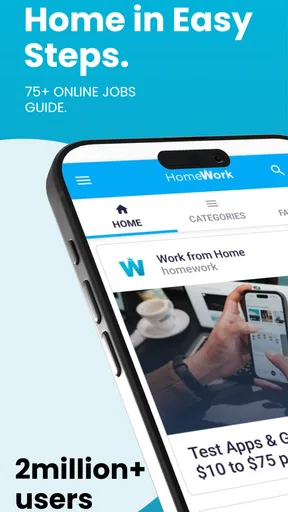
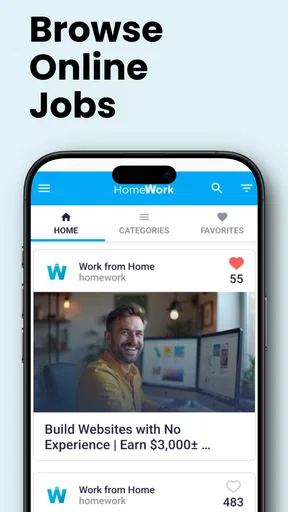
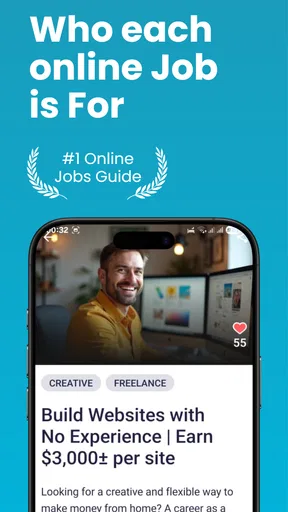
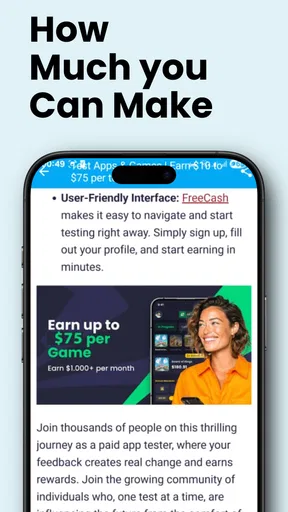
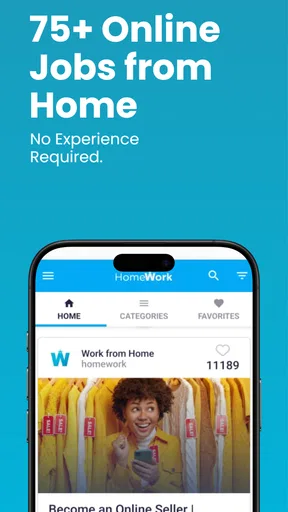
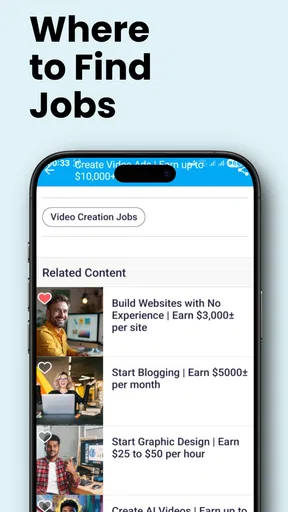
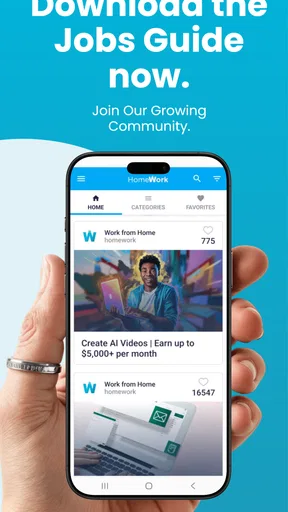
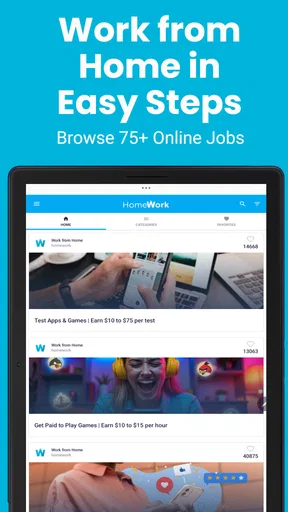
 Analysis by AppCompare
Finding legitimate remote work is harder than it looks. Search results can be crowded with recycled listings, vague promises, and advice that sounds useful but does not help you decide what to do next. Work from Home takes a straightforward approach: it is a free business app designed to help people explore remote job opportunities and think more seriously about building an online career.
I approached it as a starting point rather than a complete employment service. That distinction matters. The app can help organize your search and expose you to work-from-home possibilities, but it cannot replace careful research, a strong application, or direct communication with an employer. In my experience, its value depends less on opening it once and more on how deliberately you use what it presents.
Developed by Online Jobs & Remote Work, the app has reached over a million installs and holds a 3.7 average from around five thousand ratings. Those figures suggest a useful but mixed experience: plenty of people find a reason to keep it, while others may expect a more polished or more complete job platform than it is. It is available at no cost and carries an Everyone age rating, making it approachable for a broad audience.
Getting past the first points of friction
I’d use this section to make the first session feel more deliberate: decide what kind of work fits your skills and schedule before browsing, then keep a note of the roles that genuinely match. That small pause can reduce aimless scrolling and make it easier to spot an opportunity that deserves a closer look. It also sets up a more useful question: how comfortably can different people read and navigate the app?
Why the first session can feel less useful than expected
The biggest mistake I see with apps in this category is treating them like a magic job board. A person may install Work from Home expecting an immediate shortlist of high-paying positions, then feel disappointed when the real work still involves comparing opportunities, checking requirements, and deciding whether a role is credible. The app is better understood as a discovery and guidance tool than as a guarantee of employment.
That expectation affects how useful the opening experience feels. If you arrive with a specific target, such as customer support, writing, design, tutoring, or administrative work, you have a much better chance of turning the app into a practical part of your search. If you are simply hoping to “find something online,” the information can feel broad and difficult to convert into an action plan.
Another common sticking point is the difference between remote work and easy work. Working from home still requires dependable communication, a suitable skill set, consistent availability, and patience during applications. I found the app most helpful when I used it to narrow my direction rather than to avoid the normal effort involved in finding work.
Worth Reading Before You Choose

EA SPORTS FC Mobile 26 Is a Bigger Football Game, but It Takes Time

Flipboard Shows What News Apps Must Do Beyond the Feed

Switching to Android Auto Means Rethinking Your Driving Routine

Google Calendar Makes a Crowded Week Easier to Manage

Ludo King Makes the Most of the Minutes Between Plans

Baby Panda World Brings Quick Play to Modern Phones, but Its Game Library Feels Busy
What I would prepare before using it
Before browsing, I would write down three things: the type of work I can do now, the hours I can realistically offer, and the minimum conditions I need. This simple preparation prevents attractive-sounding opportunities from pulling the search in too many directions. It also makes it easier to recognize when a suggestion does not match your experience.
A short skills inventory is especially useful for beginners. Include software you already know, languages you can work in, communication strengths, and tasks you have completed in previous jobs, school, volunteering, or personal projects. Remote employers often care about evidence of reliability, so a small portfolio or clear description of past work can matter as much as a formal job title.
The most useful mindset is to treat every opportunity as something to verify, not something to trust automatically. Do not send money to apply, rush into sharing sensitive identity details, or assume that a promise of unusually high income is realistic simply because it appears in a work-from-home context. The app can support discovery, but your judgment remains the important safety layer.
Basic setup checks that save time
Work from Home requires Android 6.0 or later, so compatibility is unlikely to be a problem on many modern devices. Still, I would check the operating system before troubleshooting anything else. If the app does not install, closes immediately, or behaves strangely, an older phone system can be a more likely explanation than the app’s job content.
I also recommend starting with a stable internet connection and enough free storage for normal app operation. A weak connection can make pages appear incomplete or leave you unsure whether a selection registered. Switching between mobile data and Wi-Fi is a simple first test. If only this app is affected while other services work normally, restarting the app is a sensible next step.
Keep the current version, 141.0, in mind when comparing advice found online. Instructions written for an older release may not match what you see. I would update through the official app store, restart the device after an update if the behavior remains inconsistent, and avoid downloading modified copies from unfamiliar sources. A remote-work app is not worth exposing your phone to unnecessary security risks.
Making the search more manageable
Instead of browsing endlessly, I suggest using a repeating routine. Spend one session identifying suitable work areas, another checking the details of promising opportunities, and a third preparing applications or improving your profile materials. Separating discovery from decision-making reduces the chance that an exciting headline will lead to an impulsive application.
A useful personal tracking method is a simple note with the opportunity name, required skills, application date, contact method, and follow-up status. This is one of the less obvious ways to get more from the app: use it as the front end of a larger process. Without a record, remote job searches can become repetitive, and you may apply twice to the same place or forget which employer requested which document.
Pay attention to the language used around compensation and flexibility. “Remote” does not always mean work from any country, and “flexible” does not necessarily mean you can choose every hour. Location rules, time-zone expectations, contract type, and workload should be checked before you invest significant time. If an opportunity is unclear on these points, put it aside until you can confirm them through a trustworthy source.
Recovering when the workflow breaks
When something goes wrong, I would avoid repeatedly tapping the same option. First note what happened: did the app fail to open, did a page remain blank, or did the information simply seem irrelevant? Each situation calls for a different response. A blank page points toward connection or loading trouble, while irrelevant results may mean the search goal needs to be narrowed.
For ordinary loading problems, close and reopen the app, check the connection, and restart the phone. If the trouble continues, make sure the app and operating system are up to date. Clearing temporary app data can sometimes help on Android, but I would use that step carefully and only after recording anything important from the current session. Removing local data may affect saved state, depending on how the app handles it.
If a particular opportunity disappears, I would not assume that it was removed because of an error. Online job information can change, close, or become unavailable. The practical response is to keep your own notes and search for the employer or role independently through a recognized source. This protects your progress and prevents one missing listing from stopping the whole search.
Separating app trouble from opportunity trouble
Not every frustrating experience is caused by the application. A slow response from an employer, a broken application form, or unclear hiring instructions may belong to the organization offering the work. Work from Home can help you discover a path, but it cannot control the quality of every external destination or the behavior of every recruiter.
This is where careful comparison helps. If the app displays an opportunity but the employer’s own information looks different, pause before applying. Compare the job title, company identity, required tasks, contact details, and compensation wording. Do not assume that the first version you see is the authoritative one. A mismatch is a reason to investigate, not a reason to provide more personal information.
The same principle applies to income expectations. A role may be described as high-paying while requiring specialist experience, sales performance, irregular hours, or unpaid preparation. I would judge the opportunity by its actual duties and conditions, not by its most attractive phrase. This habit is particularly important for new remote workers, who are often targeted by offers that sound effortless.
Who will get the most from it
The app suits someone at the beginning of a remote-work search, especially a person who needs ideas before choosing a specific direction. It can also help an experienced worker who wants to explore a different online career path without paying for a dedicated career service. Because it is free and rated for Everyone, the barrier to trying it is low.
It is less suitable for someone who already has a carefully defined profession and expects advanced filtering, employer verification, application management, or a full recruitment workflow. In that situation, a specialist job board, professional network, staffing service, or direct company careers page may be more efficient. Work from Home is not a substitute for every alternative; its strength is the early and exploratory part of the process.
A realistic everyday use case
Imagine I have a daytime job but want evening remote work. I would first use the app to explore roles that could fit limited hours, then write down the recurring skills and requirements I notice. I might discover that several possibilities depend on customer communication, spreadsheet ability, or a small portfolio. Rather than applying immediately to everything, I would choose one direction and prepare relevant examples.
On the next session, I would compare the opportunity with my schedule and equipment, check who is actually hiring, and record the application details. If the role requires availability during my existing work hours, I would discard it even if the pay sounds appealing. This workflow turns casual browsing into a realistic decision process and prevents the app from encouraging commitments that do not fit daily life.
Practical habits that improve results
Use short sessions with a clear purpose. Ten focused minutes spent checking requirements can be more valuable than an hour of scrolling. I would also revisit my search terms as I learn more about the market. A vague goal such as “online job” can gradually become “entry-level customer support with evening availability,” which produces better decisions even if the app itself has not changed.
Keep application materials separate from casual notes. A tailored résumé, a short introduction, and a few work samples are easier to manage when they are ready before a promising opportunity appears. However, tailor them honestly. Do not copy claims from a listing into your own background, and do not exaggerate experience simply because the role sounds competitive.
Finally, set a stopping rule. If an opportunity repeatedly asks for unclear payments, urgent personal information, or tasks unrelated to the advertised work, move on. The time saved is part of the app’s practical value. A good remote-work search is not measured only by how many listings you open, but by how effectively you avoid poor matches.
What the ratings and cost suggest
The 3.7 average rating from around five thousand ratings gives me a balanced impression rather than a reason to reject the app. It indicates that the experience works well enough for many users, while the mixed score suggests that expectations and individual results vary. Someone looking for direction may be satisfied, whereas someone expecting guaranteed employment may not be.
Since the app is free, trying it does not require a purchase decision. That makes experimentation reasonable, provided you protect your information and time. Free access should not be confused with guaranteed income, exclusive jobs, or professional screening. The real cost is attention, so stop using it if the suggestions do not match your goals after a fair, focused trial.
My practical verdict
After looking at it as a working tool rather than a promise of instant income, I see Work from Home as a useful entry point for remote-career exploration. The app’s simple premise makes sense for people who need ideas, vocabulary, and a starting routine. Its free availability and broad age rating also make it easy to test without committing money.
My recommendation comes with a clear condition: use it alongside verification, preparation, and a personal tracking system. Do not let an appealing listing replace research, and do not blame the app for delays or unclear behavior from an outside employer. When a different service offers stronger professional filtering or direct application management, that alternative may be the better choice.
For a beginner who feels stuck at the “where do I start?” stage, Work from Home is worth trying. For a specialist seeking a precise, fully managed recruitment platform, I would look elsewhere first. The app is most effective when it helps you form a realistic plan, recognize suitable opportunities, and take the next careful step rather than when you expect it to do the entire job search for you.
The developer is Online Jobs & Remote Work, and the current version is 141.0. With support for Android 6.0 and later, it remains accessible on a wide range of devices. My final advice is simple: install it with a specific goal, keep your expectations grounded, and judge each opportunity on its real requirements. Used that way, it can be a practical beginning to a more thoughtful remote-work search.
Pros
- Flexible schedules make it easier to balance work and personal responsibilities.
- Remote access lets users work from almost any location with an internet connection.
- Digital collaboration tools help teams communicate without sharing an office.
- Eliminating daily commuting can save time and reduce transportation costs.
- A home workspace can offer a quieter
- more personalized environment.
Cons
- Home distractions may reduce focus and make it harder to maintain productivity.
- Reliable internet and suitable equipment are essential for smooth remote work.
- Limited face-to-face interaction can sometimes lead to isolation.
- Work and personal life may blend together without clear boundaries.
- Some roles require specific software
- security measures
- or employer approval.
FAQs for Work from Home
What is Work from Home, and what can I use it for?
Work from Home is designed to help users find, organize, and manage remote-work opportunities from a mobile device. Depending on the version and available features, it may provide access to job listings, freelance offers, productivity resources, or practical advice for working remotely. Before downloading, check the app description carefully to confirm whether it focuses on employment searches, career guidance, or work-management tools.
Is Work from Home free to download and use?
The application may be available as a free download, but some features could require in-app purchases, a subscription, or registration. Users should review the pricing information shown in the Google Play Store or Apple App Store before installing it. Also check whether premium tools, job applications, advanced filters, or exclusive content are restricted behind a payment, since availability can vary by country and platform.
Is Work from Home safe and trustworthy?
Before using Work from Home, review its publisher information, user ratings, privacy policy, and requested permissions. A legitimate app should clearly explain how it handles personal details and why it needs access to your device. Be especially careful with job offers that request upfront payments, banking credentials, identity documents, or sensitive information before providing verifiable company details.
Does Work from Home guarantee a remote job or income?
No application should be assumed to guarantee employment, freelance contracts, or a specific income unless this is explicitly stated and supported by reliable terms. Work from Home may help users discover opportunities or improve their organization, but success depends on qualifications, location, experience, and the companies offering the positions. Treat unusually high-paying offers and promises of effortless earnings with caution.
What should I check before downloading Work from Home?
Before installation, confirm that the app is compatible with your Android or iOS device and that it is available in your region. Read recent reviews rather than relying only on the overall rating, inspect the latest update date, and check the permissions requested. It is also useful to verify whether an account is required, whether notifications can be disabled, and how easily your data can be deleted.


